Welcome to My New Social Learning Environment Blog
As learning professionals, understanding how social learning technology can be used to support professional development can assist in how we engage with current set curriculums within a learning management system (LMS) or newly introduced learning technologies. For organizational leaders, change agents and other and critical decision makers, diversifying how individuals learn and train can improve how your employees respond to standard and newly implemented corporate skill knowledge and behavioral requirements. Social media is a viable; cost-effective method that can meet the needs of the 21st century learner. Social networking platforms like Facebook, can accelerate the learning process by capitalizing on our innate human inclination to socially learn. Throughout this site, we will explore social learning tools, their potential; purposes and explain how collaborative virtual networks can positively impact how we transmit, receive, retain, and practically apply skill knowledge (Bozarth, 2010). My mission is to discuss and learn, and discover with you about social media service tools and how they can improve our organizational learning outcomes.
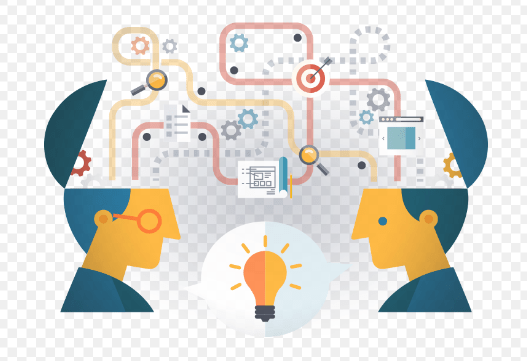
What is Social Learning?
Have you ever had the pleasure of being in the presence of a small child? Besides the never ending crying spells, ear piercing screams, and tyrannical tantrums they might throw your way, the little creatures are quite interesting to observe. As a child grows, they begin to mimic the actions and behaviors of those around them. Repeating and perfecting behaviors that they find favorable or, that yield positive results due to coinciding reinforcement. This natural behavioral trend advances as developmental milestones are met. This process is known as social learning.
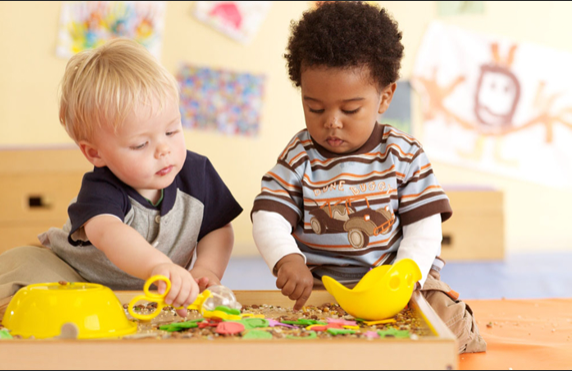
Social learning is the innate ability or behavior that assists us with attaining necessary and desired skill knowledge and behaviors needed for survival. Social learning theorists like Albert Bandura, believed that social learning is essential to the formation of human behavior. According to Bandura, social learning consists of continuous reciprocal interactions between cognitive, behavioral, and environmental influences.
Behaviors like self-directed learning tendencies, self-efficacy, and effective communication techniques are shaped by individuals observing and modeling the behaviors, attitudes, and emotional reactions of others within a shared environment (InstructionalDesign, 2019). Capitalizing on this fact, educators are finding that incorporating social learning activities, specifically project-based learning activities, can improve how students learn. Thus, the application and use of appropriately placed social media and collaborative tools can give any learning environment a boost in how information is received, retained, and practically applied.
Organizational Social Learning Strategies: The Integrated Classroom
“social learning in the workplace occurs in layers…”
Jane Bozarth, 2010
You are a leader. Responsible for setting the tone for communication within your department or organizational culture. It is up to you to establish and properly demonstrate corporate standards and appropriate protocol, to ensure that your work team’s actions, behaviors, and values match those of the organization you all are representing. With your guidance, leadership, knowledge, and experience you are responsible for all that is produced by your team. Both successes and failures. No pressure! Now, before you retreat to a quite corner and shrink into the fetal position, I would like explain to you how social learning tools can offer you and your team solutions that can combat or prevent worker resistance and skepticism.
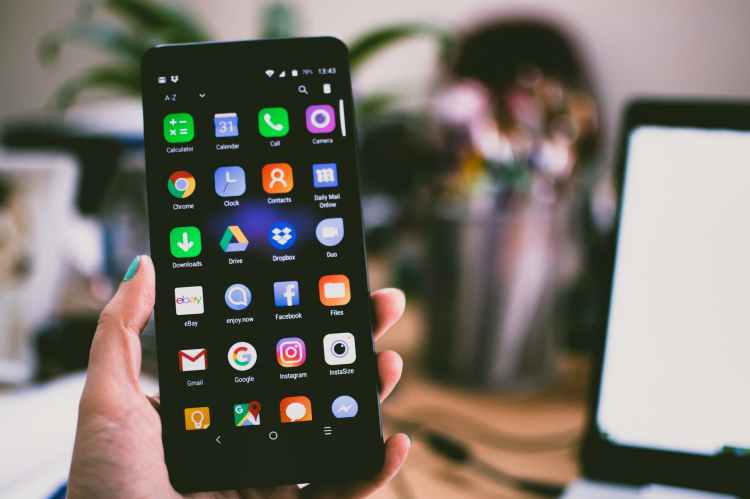
Integrated social learning collaborative systems and communication networks are capable of capitalizing on the constant state of social learning organizational members engage in. According to author Jane Bozarth (2010), “social learning in the workplace occurs in layers,” (p.146). Occurring at all times; across hierarchies, between peers, and functional groups. When these activities are combined with an appropriately matched social learning site or tool, your students will have a higher likelihood of retaining and transfer information (Bozarth, 2010).
Skill and knowledge acquisition can occur both informally and formally. With informal methods consisting of efforts such asking questions within a company social media forum or closed group platform, or by performing a Google search or seeking information from a reputable; organization approved blog. Formal social learning approaches consist of more structured; intentional methods of education and training (Bozarth, 2010). If the information obtained can be retained, made sense of in context, and applied appropriately when triggered by a relevant event or assignment, then an individual has succeeded in learning. Social media can increase this process. The more associations you can make, using the relevant occurrences, discussions, and feedback collected during social learning situations, the more likely that newly acquired knowledge and concepts will be understood.
As executive leaders, it is crucial that we not only help others understand how to get things done but that we are capable of further developing and using existing skills in new capacities. For our organizational industrial developers, instructional designers, department managers, change agents; educational facilitators and trainers, it is imperative that you demonstrate how each chosen communication/collaboration tool can be used to help organize teams and individual members, connect, engage, and learn (Bozarth, 2010).
- Begin with developing leadership teams that will actively learn and use the social networking platforms that will be introduced within the organization.
- Use the network to collaborate with other organizational leaders to complete projects, prepare presentations, and exchange ideas related to the social technology integration.
- Discuss how these tools helped or hindered your learning processes.
Using social media tools have greatly improved how educators, trainers, and researchers exchange ideas and expand their personal learning network (PLN) (Social Media as a Professional Tool, 2011). Social media networking tools and platforms, when appropriately placed, can prove to be an effective way for professionals to create viable work connections, as well as working conditions for those they are/will lead. Increasing worker productivity; product development and production, all while using less funds to perform macro, meso, and micro level communications (Sun & Puterbaugh, n.a).
Social learning technology tools and communication networks like Google Docs, Facebook Messenger, Skype, and Canvas can help individuals to overcome some of the challenges or barriers associated with distance communication. Barriers include: Technological differences, language, and culture. Which can negatively influence or collaboration and cooperation efforts.

Adult learners want to feel as if their experiences, ideas, and perspectives are valued within an organization. During the learning process, learners may exhibit less skepticism and resistance when more appealing and intrinsically motivating options are made available for them. Employees who feel that they have some discretion over how they apply their time and efforts may show increased self-directed learning tendencies and improved self-efficacy. Yielding an increased probability of improved productivity and higher rates of workplace efficiency. And, hopefully making your job a bit less stressful.
Professional Social Networking: In action
For students, administrators, faculty and staff within the Grossmont-Cuyamaca Community college district, it is important that as creators and administrators of web-content, produce materials that are well-written and structured in a way that appropriately reflects the district or colleges’ values and beliefs (Grossmont-Cuyamaca Community College District, 2019).
Choosing the Right Social Media Technology to Promote Social Learning in the Workplace
One way an educational facilitator can assess social media tools for collaborative potential is to see if the tool(s) contain features that are relevant to the needs of their audience and their learning community. For instance, connected learning communities are formed to assist colleagues and other professional academics with developing and discussing shared visions and innovative ideas, common goals, values and beliefs around a principled set of changes (Nassbum-Beach, 2012). These tools must be capable of expanding one’s professional learning network (PLN) in a way that produces authentic conversations that can deepen the professional learning and development process (Social Media as a Professional Tool, 2011).
I consider Khan Academy an important component of my PLN. Introduced to the site during my undergrad program, the social learning site was often used as a source for additional; relevant information that often filled in gaps in the learning. Recommended by learners and instructors, the social learning platform uses micro-sharing sites like Facebook and Twitter in addition to their website, where they also embed their YouTube videos. Within each platform, the free educational resource monitors discussions between professional learners under their blog and social media posts, and video transcripts.
Here is an example of Khan Academy’s informative videos.
Observational learning: Bobo doll experiment and social cognitive theory | MCAT | Khan Academy https://www.youtube.com/watch?v=wf3-tRpmGmY&feature=emb_logo
Using Facebook for informal organizational development is a great cost-effective method that allows for open communication between employees through a “secure” platform. Facebook’s multifaceted network is capable of connecting and simplifying the communication process within its vast; diverse global network. Facebook Messenger is a free messaging tool that can be used to send private, group, and team messages; create video messages, hold live conferences and face-to-face interviews, promote links, and embed videos. Facebook Messenger is a great way to increase collaboration and improve cooperation between colleagues. The platform can assist professionals with acquiring customers, enabling transactions, driving awareness, and connecting with consumers (Facebook Business, 2019).
Using Facebook as an Organizational Social Learning Support Tool
Personally, I like to use Facebook as a social learning support tool because it an easily accessible website or mobile application keeps me connected to members within my personal learning network and communities of practice.
By creating a private page, sending invitations, and adding only authorized members to join, I can continue to work seamlessly. Sharping my skills, sharing and gaining knowledge from members who share have vested interest within my industry.
Why is Social Learning Important in the Workplace
Independent learning technology consultant, Mark Berthelemy, believes social learning starts with the person. When implementing organizational change, it is important to remember your organization is composed of a diverse workforce. Each member or group will have specific desires, needs, and varying levels of confidence and perspectives that must be acknowledge and practically considered when selecting social learning tools. As such, it is recommended that change leaders and managers choose social technology tools that can intrinsically motivate their organizational team or corporate group. Further cultivating workplace enthusiasm, inspiring creativity, encouraging knowledge sharing, and supporting workforce collaboration and comradery (Bozarth, 2010).
Social media technology has dramatically changed how individuals, work units, organizations; organizational stakeholders and consumers connect, share, and view knowledge. Organizational leaders and team developers that integrate social learning technology into their education and training programs may find that their learning teams feel more supported. Especially within project-based learning environments. As leaders representing and setting the standard for employee performance, you must use every opportunity to demonstrate and engage within the chosen social learning platform with students (George Lucas Foundation, 2007). This action will open and encourage communication within varying levels of your organization’s hierarchy. Bridging together learning gaps and building stronger interpersonal relationships between staff and affiliated entities.

By establishing a private or closed groups within micro-sharing platforms Facebook, Facebook Messenger and Twitter, you can accelerate and intensify how your team or organizational community learns. Positively modifying how you establish, promote, and maintain a sense of connectedness and community between you and your organizational family. Using social learning activities that can be initiated within a platform, such as using Facebook questionnaires and collaborative exercises that can be used to spark meaningful discussions, educators can use these opportunities to identify specific key performance indicators (KPI’s), like learner growth rates and potential profitability or value of a specific program (Sparta, 2012).

Social Media “To-do’s” List
- Do develop a social media policy based on your current employer’s social media rules, the lawful stipulations that governs democratized data, and user policies that are tied to your organization’s learning management system (LMS) programs.
- Clearly identify forbidden material that is not to be discussed via an open platform like Facebook (Bozarth, 2010).
- Facebook allow individuals and groups to exchange and express ideas that can be archived and quickly shared with multiple users within seconds. Keeping this in mind, whether information is posted anonymously or in a private group account, it is important for Facebook and other micro -sharing site users and content creators associated with a specific organization to understand that anything posted may be transmitted and made visible to their “invisible audiences” (Heverly, 2017). Thus, all information should be treated as if it is public and deleted information should be seen as retrievable with the right amount of effort and expertise.
- Clearly identify forbidden material that is not to be discussed via an open platform like Facebook (Bozarth, 2010).
- Do assess employees knowledge of an organization’s social media policy to ensure that the information has been retained and that the employee fully understands that they will be held accountable for any violation.
- Do, as an educator and trainer engage with your students to set and promote user and organizational standards.
- Do address employee accountability by putting prevention methods in place to reduce or deter violations.
- Explain how consequences for irresponsible use of social media can include poor social reputation, potential lawful action; depending on information shared or represented, and permanent expulsion or termination from an organization. In addition, some violations causes financial damages that requires compensation due to companies losing their ability to use or post in monetized micro-sharing or video-sharing sites, like Facebook, Twitter or YouTube.
- It is also important to remember that social media users and content creators must be aware of the pages and content that they are associated with. What can be seen by others can also impact an individual or group’s image (Heverly, 2017).
- Do apply appropriate punishments for violations. Exceptions should not be made under any circumstances
- Initial ground rules for starting and using a social media platform is to inform users of best practices behaviors.
- Being self-aware is a start. A key component to responsible social media use begins with building a positive image. It is important that individuals portray themselves in a way that accurately represents how they want to be viewed by their target audience and organization. In addition to adhering with a social media platform’s user policy, it is important that I consider all potential consequences before posting or sharing information. Even on personal accounts, information that you and I post can be shared by a “friend” or “follower”. Inappropriate posting or “oversharing” can be detrimental to future academic, professional, and personal opportunities (Heverly, 2017).
As professional learners and educational facilitators, social media can empower users to participate. Given the ability to access the learning autonomously, within a safe, secure user-friendly online environment; filled with diverse individuals with shared interests, objectives, and goals, the innovative approaches create a social learning atmosphere that can produce the following results for your organization, department, or team:
- Create a sense of responsibility and personal accountability within your organizational work teams.
- Improve how you, your department or organizational leaders and change agents establish and set strategic renewal plans.
- Reduce employee resistance and raise internal motivation, reception and response to change initiatives.
- Help further develop how you and your workforce team(s) effectively communicate, critically think, and reason through consistent instructor engagement and through team members meeting participation requirements.
- Help support and improve communication between local and global cohorts through meaningful conversations and collaborative activities.
- Assist with creating a more inclusive work environment, virtually and interpersonally by improving cross-cultural understanding.
- Gives instructors and trainers broader perspectives regarding their colleagues, trainees, and organizational needs (George Lucas Foundation, 2007).
Challenging the once traditional internal development strategies of executive leaders; feverishly driving worker-driven initiatives to harness the tacit knowledge of senior members. Only to recycle outdated knowledge, without success (Bozarth, 2010). Hardwired into the fabric of globalized culture, social media networks and related applications are being included within business models to help assist in the construction of professional learning communities. Social media is a viable; cost-effective method that can meet the needs of the 21st-century learner.
Project-based Learning Experiences and Integrated Learning
Social media technology is great for project-based learning or inquiry-based learning experiences. Project-based learning activities gives learning professionals an opportunity to address real-world problems and to investigate and examine the complexities, interconnectedness, and ambiguities related to their studies (Great Schools Partnership, 2013). By introducing social networking platforms like Facebook, students can discuss and share materials related to solving concrete; real-world problems or issues. Instructors can also instruct students to choose topics of interest, career aspirations, and other subjects of their choosing to give learners more of an integrated understanding of the skill knowledge and behaviors they need to learn and practically apply.
Simulated or kinesthetic/tactile learning is a common learning preference that aides in skill acquisition. Social media tools like Facebook is great for small scale, quick communications, general knowledge sharing, and for organizational skill management activities. Using this platform, I can rely on several methods to notify my followers of important posts, events, and other vital information, and my followers or fellow cohorts can do the same. With minute by minute updates and user friendly features, I will be more in the capacity of a knowledge or information and skills facilitator, as I guide the learning experience.
To Conclude…
Social learning tools can have a positive impact on any learning environment. Whether you’re an infant, new hire, community or organizational leader, as long as the right social media tool is applied to a learning format, social learning and knowledge acquisition can occur. For my organization, using Facebook would be a quick and easy way to establish a small secure site where employees can meet, review, and discuss latest internal developments. While Facebook was the central social media application focused on here, having knowledge and access to multiple social learning platforms will keep you and your organization ready for strategic changes. Each tool a great purpose, when appropriately applied and depending on the learner and facilitator needs. Many organizations can benefit from using Facebook and other social media outlets to conduct business nationally and globally. It’s all about finding the right fit!
Get new content delivered directly to your inbox.
References
Bozarth, J. (2010). Social media for trainers: techniques for enhancing and extending learning. San Francisco, California: Pfeiffer.
Facebook Business. (2019). Facebook Messenger for business. Retrieved from https://www.facebook.com/business/search
Great Schools Partnership. (2013). The Glossary of Education Reform. Retrieved from https://www.edglossary.org/project-based-learning/
George Lucas Education Foundation. (2007). Edutopia. Retrieved from https://www.edutopia.org/technology-integration-guide
Heverly, C. (2017). Michigan State University. Retrieved from https://www.canr.msu.edu/resources/4_h_responsible_social_media_activity_online_consequences
Social Media as a Professional Tool. (2011). Principal, 90(5), 36–38. Retrieved from https://search.ebscohost.com/login.aspx?direct=true&AuthType=shib&db=eric&AN=EJ964895&site=ehost-live&scope=site
Sparta, P. (2012). Getting the most out of social learning: Utilizing social media in the workplace. Development and Learning in Organizations, 26(2), 16-18. doi:http://dx.doi.org.contentproxy.phoenix.edu/10.1108/14777281211201187
Spector, B. (2013). Implementing organizational change: Theory into practice (3rd ed.). Boston: Pearson.
Sun, H., & Puterbaugh, M. D. (2013). Using social media to promote international collaboration. Pennsylvania Libraries, 1(1), 60-n/a. doi:http://dx.doi.org.contentproxy.phoenix.edu/10.5195/palrap.2013.19

